

Arthritic Pain Treatment in Edinburgh
Arthritic pain can affect one or more joints, causing stiffness, swelling, or discomfort that often varies day to day. It can make movements such as walking, gripping, or climbing stairs more difficult, and may feel worse first thing in the morning or after periods of rest.
At AB Osteopathy in Edinburgh, every appointment is based on individual patient care. A thorough assessment is carried out first to understand which joints are affected and how your symptoms present, before any treatment options are discussed. This ensures the approach taken is suited to your specific needs, helping to support comfort and movement.
Understanding Arthritic Pain
Arthritic pain can feel different depending on the joint affected and the type of arthritis involved. Some people notice a dull, persistent ache, while others experience sharper pain, stiffness, or swelling, particularly after rest or first thing in the morning. It's most commonly felt in the hands, knees, hips, or spine, though it can affect almost any joint in the body.
For many, arthritic pain develops gradually over months or years, as changes build up within the joint. For others, flare-ups can feel more sudden, with symptoms becoming noticeably worse over a shorter period, sometimes linked to activity levels, weather, or general health.
Because arthritis can affect the joint, surrounding muscles, and how you move day to day, a proper assessment is important to understand what's really going on. The causes and contributing factors vary from person to person, which is why treatment is always based on your individual assessment rather than a general approach.

How Arthritic Pain Can Affect Daily Life
Arthritic pain can make everyday movements harder than they should be. Walking, climbing stairs, gripping objects, or getting up from a chair can all become uncomfortable. Work can be affected too, particularly if your role involves standing, typing, or repetitive movement, and sitting for long periods, such as driving, may also feel stiff or uncomfortable afterwards.
Sleep is often disrupted, with some people finding certain joint positions painful or waking with stiffness. Simple family tasks like lifting a grandchild, opening jars, or helping around the house can become more difficult, and many people find themselves adapting how they exercise or take part in sport to manage symptoms.
Over time, this can lead to a tendency to avoid certain movements altogether, which can sometimes make stiffness worse rather than better. Everyone experiences arthritic pain differently, and understanding how it's affecting you personally is an important part of finding the right support.
Assessing Your Arthritic Pain
Your osteopath will begin with a conversation about your symptoms and general health history, including any previous injuries, diagnoses, or relevant health conditions. They'll also ask about your lifestyle, work, and activity patterns, as these can influence how arthritic pain affects you day to day.
This is followed by an assessment of movement and posture, looking at how the affected joints work alongside the rest of the body, and a specific examination of the areas involved to understand the extent and impact of your symptoms. Your osteopath will then explain their findings clearly, in straightforward terms, and discuss suitable treatment options with you.
If your symptoms suggest something outside the scope of osteopathic treatment, or further investigation or medical management would be beneficial, you'll be advised accordingly and, where appropriate, referred for further medical assessment.
Individual Care for Arthritic Pain
Two people can have the same type of arthritis but need very different support. That's why care at AB Osteopathy is always shaped around you as an individual. We take into account your health history, comfort level, and daily routine, as well as the demands of your work, sport, or family responsibilities.
Your goals are central to your treatment plan, whether that's managing stiffness, staying active, or simply moving more comfortably day to day. Every step of your care is explained clearly, with your consent sought throughout, so you understand and feel comfortable with the treatment you're receiving.
Treatment and Advice for Arthritic Pain
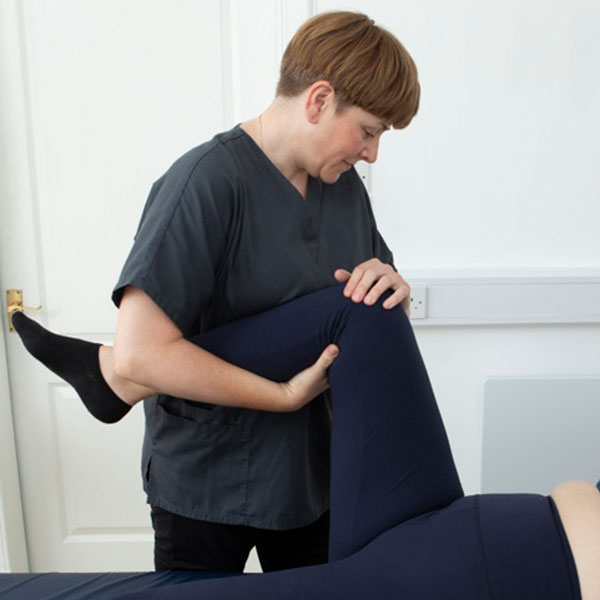
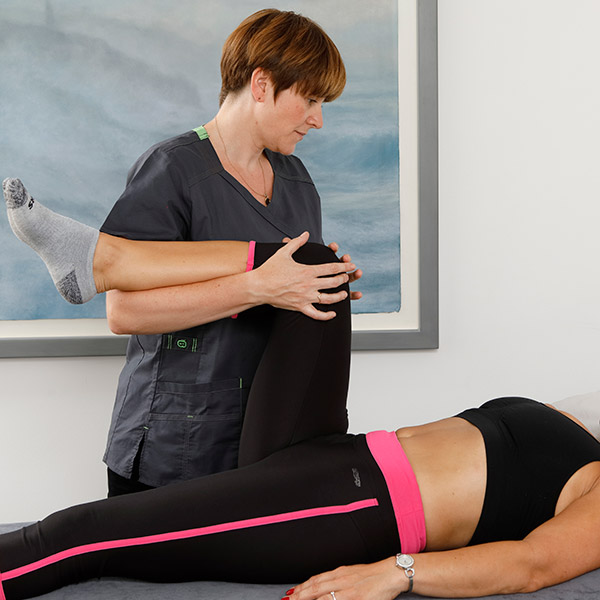
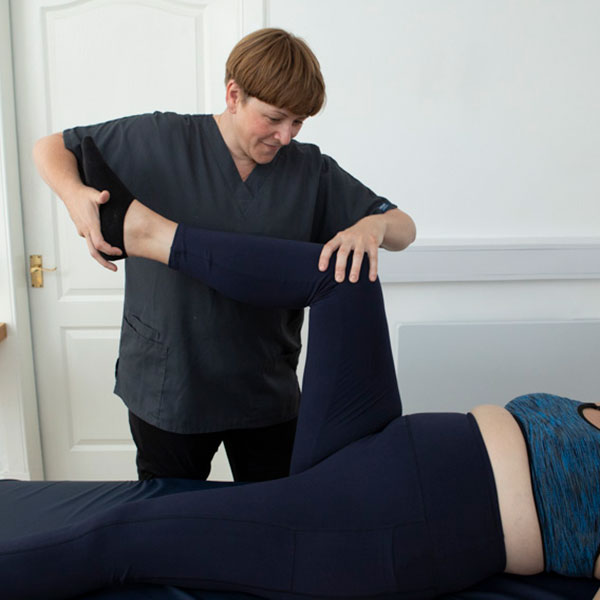
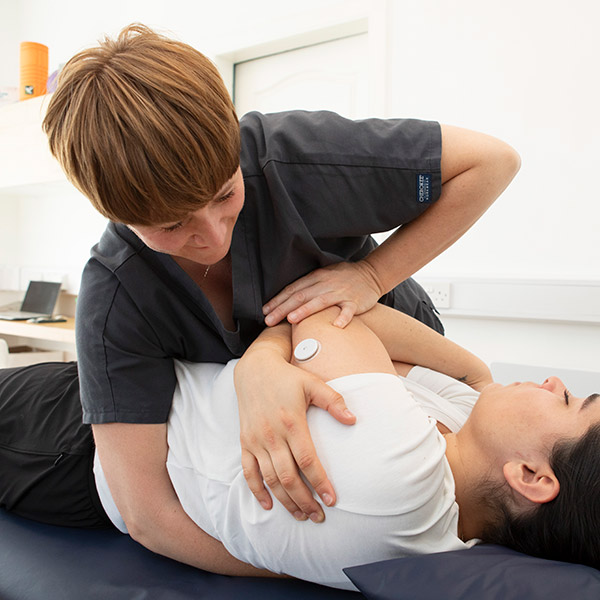
Depending on assessment, treatment for arthritic pain may include a combination of gentle, hands-on techniques tailored to your individual needs. This may include soft tissue work to ease tension in the muscles surrounding affected joints, along with gentle joint mobilisation where suitable to support movement and reduce stiffness. Medical acupuncture may also be used where appropriate to support pain relief.
Where suitable, your osteopath may also offer stretching or movement-based treatment to help maintain joint mobility and flexibility. Advice on posture, activity, or pacing may be given to help you manage symptoms day to day, alongside exercises or aftercare where helpful to support ongoing joint health.
Self-management guidance is often included, giving you practical tools to help manage your arthritic pain between sessions. Your osteopath will discuss all suitable options with you, ensuring your treatment plan reflects your individual assessment, goals, and comfort level throughout.
When Medical Advice May Be Needed First
Medical advice should be sought before booking if your joint pain is severe, sudden, unexplained, or rapidly worsening, or if it follows significant trauma or a suspected fracture. You should also seek medical advice if you notice signs of infection, such as redness, warmth, swelling, or fever around a joint, or if you experience unexplained weight loss, fever, or night sweats alongside your symptoms.
Further medical investigation may be needed if you haven't yet had a formal diagnosis, or if your symptoms are significantly affecting your daily life and haven't been discussed with your GP or rheumatologist. If you're unsure whether your symptoms are suitable for osteopathic treatment, please get in touch before booking and we can advise on the best next step.
Related Symptoms and Support
Arthritic pain can occur alongside discomfort in other joints or the spine. These pages may help if your symptoms involve the hips, knees or back.
Arthritic Pain Questions
Book an Arthritic Pain Appointment in Edinburgh
Online booking lets you choose a clinic, practitioner and appointment time that suits you. First appointments booked online require payment at the time of booking. A short enquiry can help if you're unsure whether osteopathy is suitable for your arthritic pain.
"*" indicates required fields