
Hip Pain Treatment in Edinburgh
Pain in the hip can come from tight or strained muscles around the joint, or from the hip joint itself. It's sometimes the result of an injury, referred pain from the lumbar spine, or osteoarthritis within the hip joint, and can affect walking, sitting, and everyday movement.
At AB Osteopathy in Edinburgh, every appointment is based on individual patient care. A thorough assessment is carried out first to understand the underlying cause of your symptoms, before any treatment options are discussed. This ensures the approach taken is suited to your specific needs, helping you move towards recovery with confidence.
Understanding Hip Pain
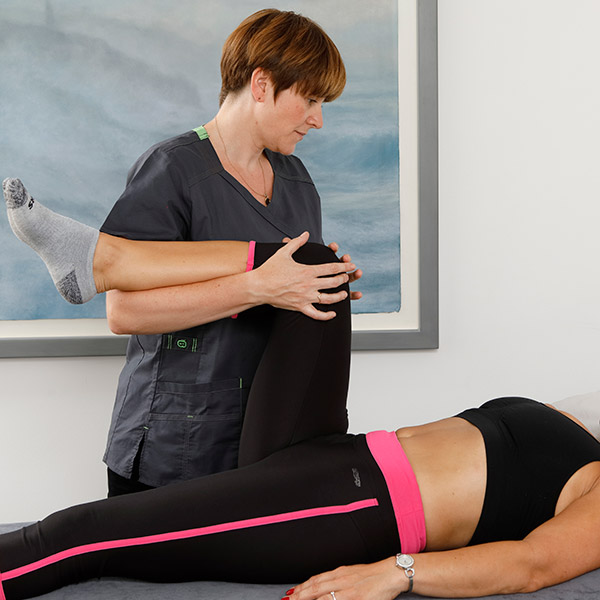
Hip pain can feel different depending on the cause. Some people notice a deep ache within the joint, while others feel sharper pain or tightness around the outer hip, groin, or buttock. It can sometimes spread down into the thigh, and may feel worse with walking, standing,or getting up from sitting.
For some, hip pain develops gradually over time, often linked to muscle tightness, changes in the joint, or everyday wear and tear. For others, it can come on more suddenly, perhaps after an injury, a fall, or unfamiliar activity.
Because hip pain can stem from several different sources, including the muscles, the joint itself, or even the lower back, a proper assessment is important to understand what's really going on.
The causes and contributing factors are often individual to you, which is why at AB Osteopathy treatment is always based on your personal assessment.
What Causes Hip Pain?
Hip pain can stem from a variety of sources, including:
- Injury, such as a fall, strain, or sports-related trauma
- Referred pain from the lumbar spine. Lower back dysfunction can sometimes present as hip pain
- Osteoarthritis, age-related wear and tear within the hip joint
- Bursitis, inflammation of the fluid-filled sacs (bursae) that cushion the hip joint
- Ligament strain, overstretching or injury to the ligaments supporting the hip
- Muscle imbalances, tightness or weakness in the muscles surrounding the hip, often from posture, activity levels, or compensation patterns
Because hip pain can arise from several different structures, a thorough assessment is important to identify the underlying cause and guide the most appropriate treatment.
How Hip Pain Can Affect Daily Life
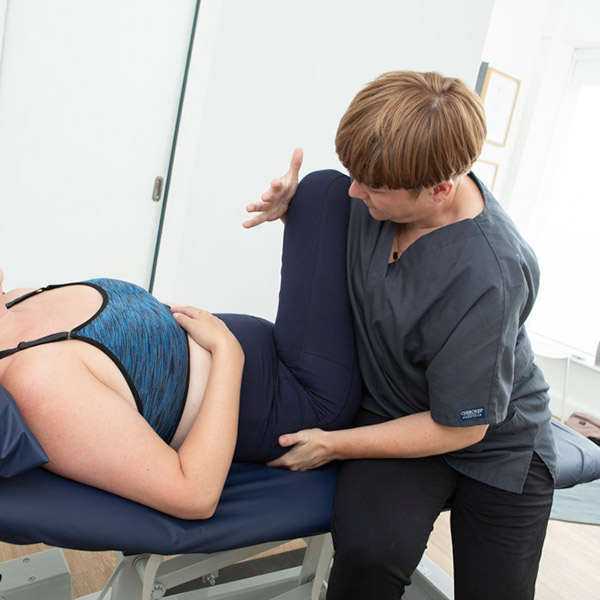
Hip pain can make everyday movements harder than they should be. Walking, climbing stairs, getting in and out of a car, or standing up from a chair can all become uncomfortable. Simple activities like putting on shoes and socks or turning over in bed may also be affected.
Over time, this can lead to a change in the way you walk, reduced hip strength, and a tendency to avoid certain movements altogether. This can sometimes make things feel worse rather than better. Sleep may also be disrupted in certain positions and put pressure on the hip joint.
Everyone experiences hip pain differently, and how much it gets in the way depends on the cause, how long it's been present, and individual activities, all of which help shape the right treatment plan for you.
How AB Osteopathy Assesses Hip Pain
Your osteopath will begin with taking your medical history, asking you about your symptoms, including any previous injuries or relevant health conditions. They'll also ask about your lifestyle, work, and activity patterns, as prolonged sitting, standing, or repetitive movements can often play a role in hip pain.
This is followed by an assessment of movement and posture, looking at how the lower back, pelvis, and leg work together, alongside a specific examination of the hip itself to identify the structures involved.
Your osteopath will then explain their findings clearly, in straightforward terms, and discuss suitable treatment options with you.
If your symptoms suggest something outside the scope of osteopathic treatment, you'll be advised accordingly and, where appropriate, referred for further medical assessment.
Individual Care for Hip Pain
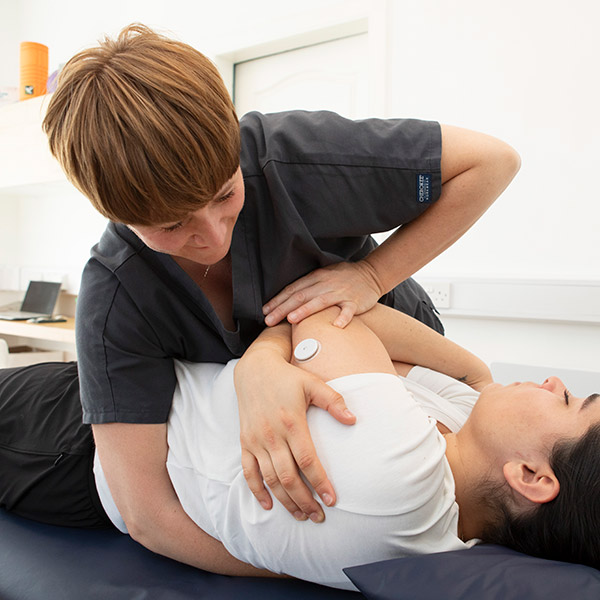
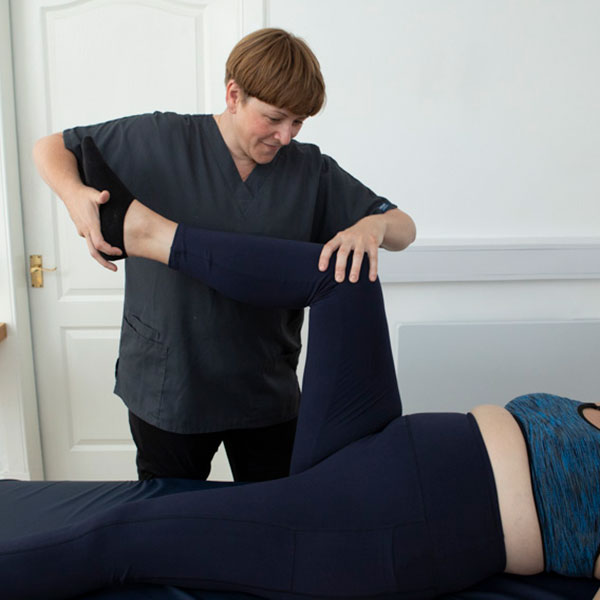
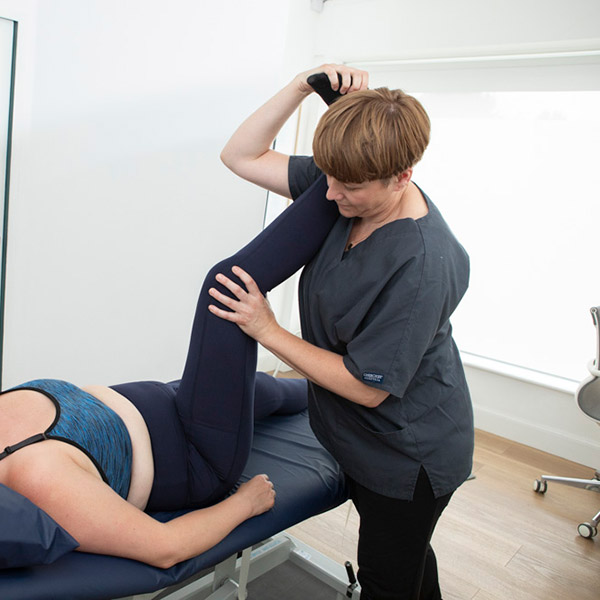
At AB Osteopathy, treatment for hip pain often includes techniques such as massage, articulation, and mobilising of the joints, with medical acupuncture sometimes used to support your care. We take a whole-body approach, looking at how other areas may be compensating to support the hip, rather than focusing on the hip in isolation.
Your care is always personalised, taking into account your medical history, comfort level, daily routine, and the demands of your work, sport, or family responsibilities. Your goals are central to your treatment plan, and every step is explained clearly, with your consent sought throughout, so you understand and feel comfortable with the care you're receiving.
Treatment and Advice for Hip Pain
At AB Osteopathy, treatment for hip pain often includes techniques such as massage, articulation, and mobilising of the joints, with medical acupuncture sometimes used to support your care. We take a whole-body approach, looking at how other areas may be compensating to support the hip, rather than focusing on the hip in isolation.
Your care is always personalised, taking into account your medical history, comfort level, daily routine, and the demands of your work, sport, or family responsibilities. Your goals are central to your treatment plan, and every step is explained clearly, with your consent sought throughout, so you understand and feel comfortable with the care you're receiving.
When Medical Advice May Be Needed First
Medical advice should be sought before booking if your hip pain is sudden, unexplained, or rapidly worsening, or if it follows significant trauma or a suspected fracture.
You should also seek medical advice if you're unable to bear weight on the affected leg, notice signs of infection such as redness, warmth, swelling, or fever, or experience new or unusual symptoms following recent surgery or medical treatment.
If your hip pain is accompanied by unexplained weight loss, night pain that doesn't ease with rest, or numbness and weakness in the leg, further medical investigation may be needed.
If you're unsure whether your symptoms are suitable for osteopathic treatment, please get in touch before booking and we can advise on the best next step.
Conditions Associated With Hip Pain
The hip works closely with the lower back, knee and nerves of the leg. These pages explain symptoms that may overlap with hip pain.
Hip Pain Questions
Book a Hip Pain Appointment in Edinburgh
Choose your preferred clinic, practitioner, and appointment time with our simple online booking system. Payment is taken at the time of booking for first appointments made online.
Not sure if osteopathy can help with your hip pain?
Send us a quick enquiry beforehand, we're happy to talk it through with you.
"*" indicates required fields