
Minor Sports Injury Treatment in Edinburgh
Sports injuries can arise suddenly, through a traumatic incident, or gradually, from the build-up of stress and overuse over time. Almost any part of the body can be affected, with damage possible to muscles, joints, ligaments, bones, or cartilage, often impacting mobility, performance, and everyday movement.
At AB Osteopathy in Edinburgh, every appointment is based on individual patient care. A thorough assessment is carried out first to understand the underlying cause of your injury, before any treatment options are discussed. This ensures your care is suited to your specific needs, helping you return to sport and activity with confidence.
Understanding Minor Sports Injuries
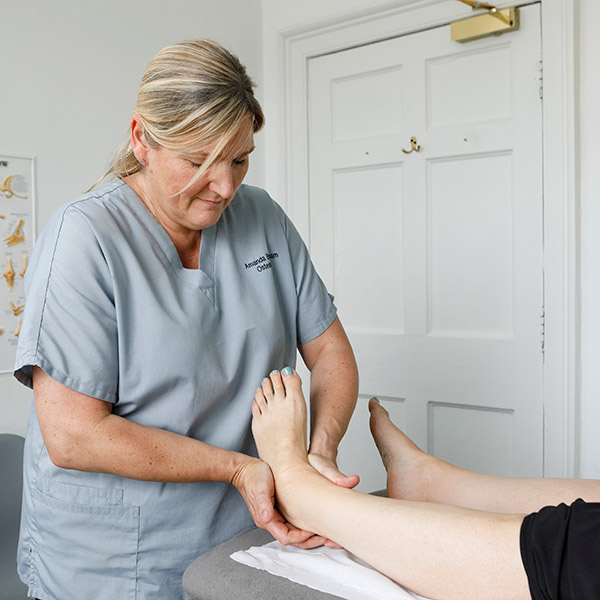
Sports injuries can feel different depending on what's affected, some people notice sharp pain at the moment of injury, while others feel a dull ache or stiffness that builds up over time. Pain may be felt in a specific joint or muscle, or sometimes spread more widely, affecting nearby areas as the body compensates.
Some injuries happen suddenly, such as a twisted ankle or a pulled muscle during activity, while others develop gradually, from repetitive movement or overuse without enough recovery time in between. Both types can affect performance and everyday movement if not addressed.
Because sports injuries can involve muscles, ligaments, joints, tendons, or bone, a proper assessment is important to understand exactly what's happened and how best to support recovery. Training habits, technique, previous injuries, and individual body mechanics all vary from person to person, which is why every injury is assessed and treated on its own merits.
How Sports Injuries Can Affect Everyday Life
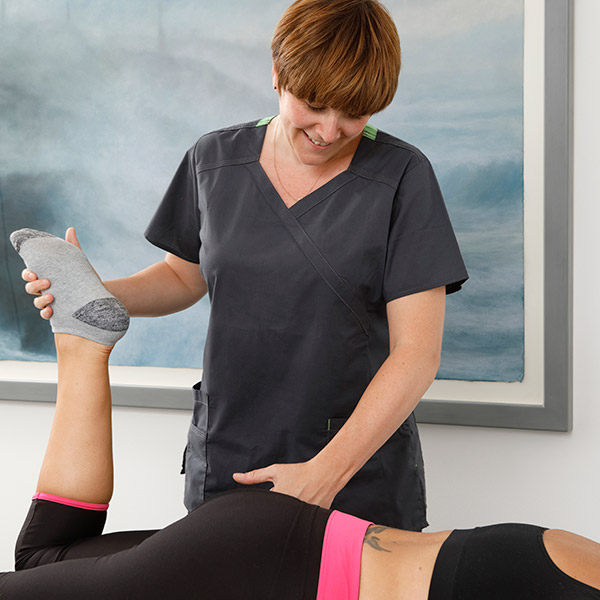
A sports injury doesn't just affect your performance on the pitch or in the gym, it can spill over into everyday life in ways you might not expect. Work can become harder if your role involves standing, lifting, or repetitive movement.
Beyond the physical impact, many people also lose confidence in their movement, becoming hesitant to return to exercise or sport for fear of making things worse.
At AB Osteopathy, we take the time to listen and understand exactly how your injury is affecting you, working with you to find the right approach for your complaint. Our goal is to support you through rehabilitation and help you return safely to the sports and hobbies you enjoy.
How AB Osteopathy Assesses Sports Injuries
Your osteopath will begin with a conversation about your symptoms and medical history, including any previous injuries or relevant health conditions. They'll also ask about your lifestyle, activity levels, training patterns, and work, as these often play a role in how an injury develops.
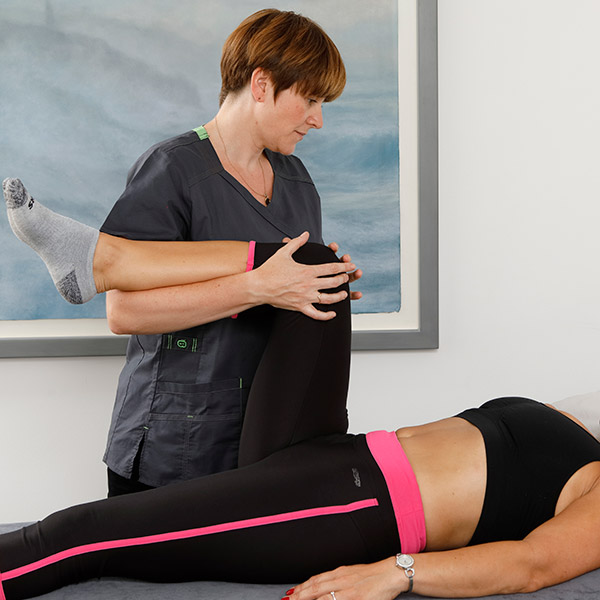
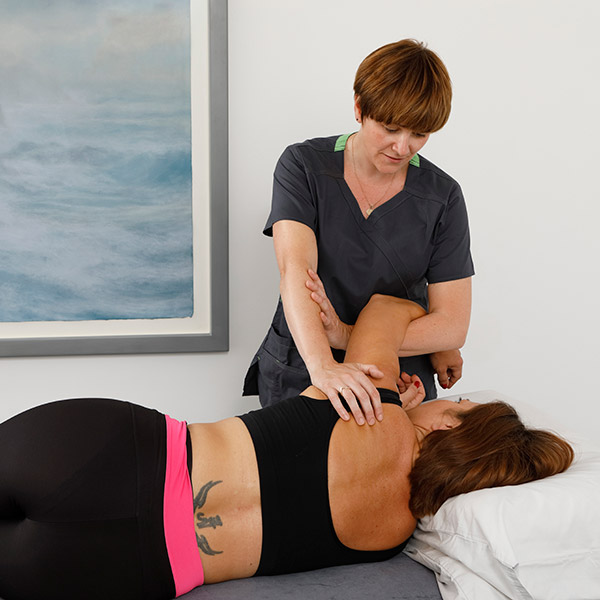
This is followed by an assessment of movement and posture, looking at how the body moves as a whole, alongside a specific examination of the injured area to identify the structures involved. Your osteopath will then explain their findings clearly, in straightforward terms, discussing what may have contributed to your injury and what to expect moving forward.
If your symptoms suggest something outside the scope of osteopathic treatment, you'll be advised accordingly and, where appropriate, referred for further medical assessment.
Individual Care for Sports Injuries
At AB Osteopathy, treatment for sports injuries is planned around the specific demands you place on your body. Whether that's training load, competition schedule, work commitments, or family life. No two injuries behave quite the same way, so your programme of hands-on treatment and rehabilitative exercise is built to match your goals, your sport, and your stage of recovery.
Your goals are central to your treatment plan, whether that's returning to competitive sport, getting back to a favourite hobby, or simply moving comfortably again. Every step of your care is explained clearly, with your consent sought throughout, so you understand and feel comfortable with the treatment you're receiving.
Treating Sports Injuries at AB Osteopathy
Treatment is delivered through a combination of hands-on therapy and exercise-based medicine, tailored to the individual nature of your injury. While two patients may present with the same complaint, the underlying cause, contributing factors, and functional demands often differ, meaning your care is planned around your specific presentation, activity level, and recovery goals.
Hands-on treatment is used to address pain, restore movement, and support tissue healing, working alongside a structured programme of rehabilitative exercises designed to rebuild strength, stability, and control. Throughout your care, findings and treatment options are explained clearly, with your input and consent guiding each stage of the process.
The overall aim is a safe, progressive return to your sport, exercise, or hobbies, with rehabilitation adapted as your recovery develops.
When Medical Advice May Be Needed First
Medical advice should be sought before booking if your sports injury is severe, sudden, or accompanied by significant swelling, deformity, or an inability to bear weight or use the affected limb. You should also seek medical advice if you suspect a fracture or dislocation, or if you experience numbness, tingling, or weakness following the injury.
Further medical assessment may be needed if pain persists or worsens despite rest, if you notice signs of infection such as redness, warmth, or fever, or if you have concerns following a head or spinal injury during sport. If you're unsure whether your symptoms are suitable for osteopathic treatment, please get in touch before booking and we can advise on the best next step.
Related Symptoms and Support
Sports injuries can affect different parts of the body depending on the activity and movement involved. These pages cover common areas we assess.
Minor Sports Injury Questions
Book a Minor Sports Injury Appointment in Edinburgh
Online booking lets you choose a clinic, practitioner and appointment time. First appointments booked online require payment at the time of booking. A short enquiry can help if you are unsure whether osteopathy is suitable for your sports injury.
"*" indicates required fields