

Shoulder Pain Treatment in Edinburgh
Shoulder pain is one of the most common musculoskeletal complaints we see, and it can affect people of all ages and activity levels. The causes vary widely, from muscle strain and rotator cuff problems to frozen shoulder and referred pain from the neck. Whatever is behind your symptoms, the experience can be frustrating and limiting.
Because every patient is different, a thorough assessment always comes first. At AB Osteopathy in Edinburgh, treatment options are discussed only once we understand what's going on for you specifically.
Understanding Shoulder Pain
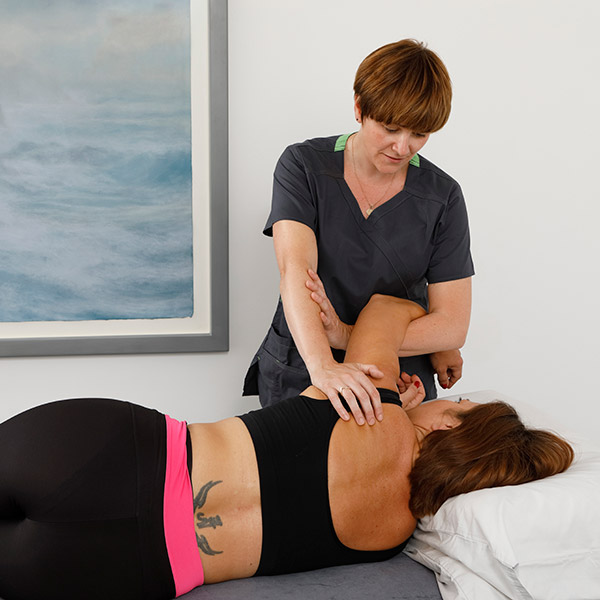
Shoulder pain can feel very different depending on the person and the cause. Some people notice a sharp, catching pain when lifting the arm or reaching overhead. Others experience a dull, persistent ache that builds through the day or disturbs sleep. In some cases, pain may spread into the upper arm, neck, or between the shoulder blades.
It can come on suddenly following an injury or awkward movement, or develop gradually over weeks or months without a single obvious cause.
What's behind shoulder pain varies considerably from person to person. Rotator cuff strain, frozen shoulder, osteoarthritis, acromioclavicular joint problems, and referred pain from the neck or upper back can all present in similar ways. A proper assessment is essential to understand what is driving your symptoms before exploring the right approach for you.
Shoulder Pain can arise from a number of conditions
- Acromioclavicular joint pain - pain at the tip of the shoulder where the collarbone and shoulder blade meet
- Rotator cuff problems - injury or strain to the muscles of the shoulder girdle, felt in the shoulder or upper arm
- Frozen shoulder (Adhesive Capsulitis) - inflammation and gradual stiffening of the shoulder capsule, reducing range of movement
- Osteoarthritis - wear and tear of the shoulder joint causing swelling, stiffness and aching, which can be sharp on movement
- Referred pain - shoulder pain originating from a problem in the neck or upper back
- Shoulder instability - excessive movement or dislocation at the shoulder joint causing pain and instability
How Shoulder Pain Can Affect Your Day
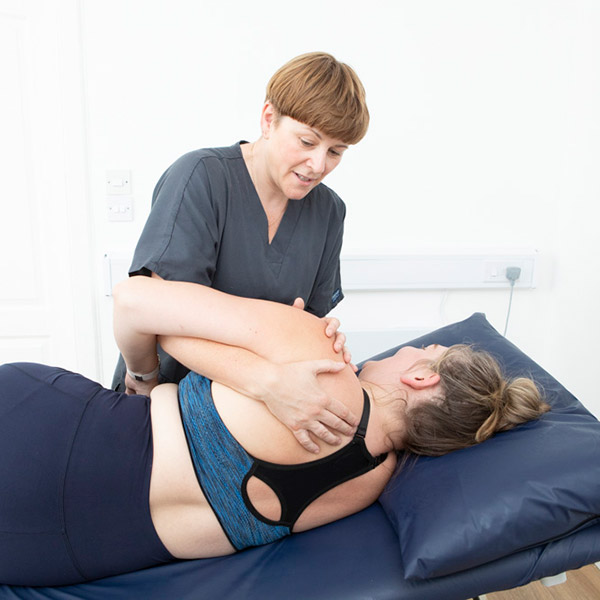
Living with shoulder pain can be more disruptive than it first appears. Getting dressed, fastening a seatbelt, or reaching up to a shelf can become uncomfortable or painful. Tasks that once felt effortless like washing your hair, lifting shopping bags, or picking up a child. Can suddenly require thought and caution.
At work, sustained postures or repeated movements may aggravate symptoms, making it harder to concentrate or get through the day comfortably. Driving can be affected, particularly when manoeuvring. Exercise and sport may feel off-limits, and even everyday routines like cooking or carrying bags can become frustrating.
Sleep is often one of the first things to suffer, finding a position that doesn't aggravate the shoulder is a challenge in itself, leaving you feeling unrested.
Over time, this can knock your confidence in movement, making you more guarded, which can itself contribute to stiffness and slow recovery.
Osteopathic Assessment for Shoulder Pain
Your osteopath will start by taking time to understand your symptoms and how they are affecting you, when they started, what makes them better or worse. Your activity levels, work setup, previous injuries and any relevant health conditions will all be part of that picture.
From there, we'll look at how your shoulder moves, observe your posture, and assess the surrounding areas of your body; including the neck, upper back and arm. These often play a role in shoulder complaints. We will palpate for areas of tension, stiffness or restricted movement, and assess the joints, muscles and nerves that supply the shoulder area.
At the end of your assessment, we'll explain clearly what we've found and what we think is going on. If we feel your symptoms need further investigation or medical input, we will let you know and guide you accordingly.
Your Shoulder Pain, Your Care
Two people can describe the same shoulder pain but need very different support. Someone with a rotator cuff strain, a person managing a frozen shoulder, and an athlete returning from injury may all present with similar symptoms, but their health history, daily demands and goals are quite different.
At AB Osteopathy, care is shaped around you as an individual. We take into account your history, your comfort level, and what your day-to-day life actually looks like. Whether that's getting back to work, managing family responsibilities, or returning to a sport or activity you enjoy. If further investigation such as X-ray or scanning is needed, we will explain why and refer you accordingly.
Nothing is decided without clear explanation and your consent. The aim is always to find the right approach for you specifically
Treatment and Advice for Shoulder Pain
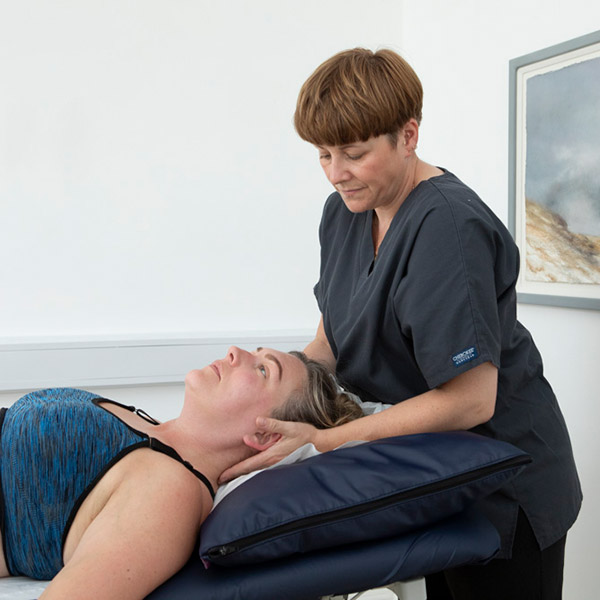
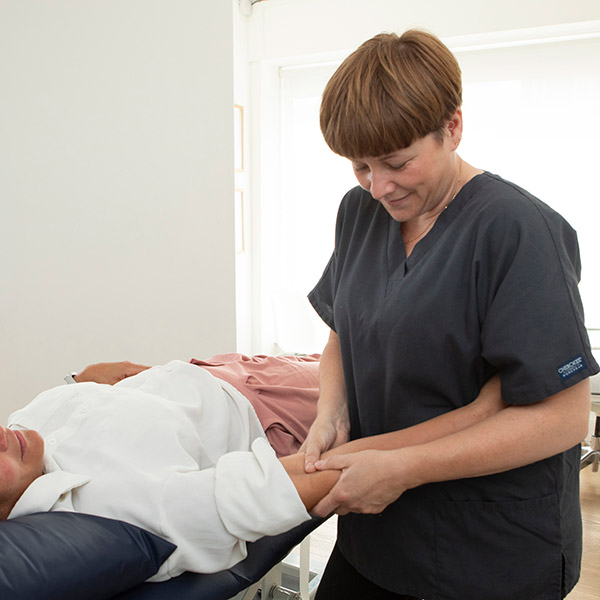
Osteopathic support for shoulder pain focuses on understanding how the shoulder, neck and upper back work together, and treatment may include a range of approaches depending on assessment. Hands-on treatment where suitable may involve soft tissue work/massage to ease tension around the shoulder and upper back, along with gentle joint mobilisation to encourage comfortable movement. Stretching or movement-based techniques may be offered, and your osteopath will discuss what feels appropriate for you on the day.
Guidance on posture, daily activity and movement patterns can help you understand what may be contributing to your symptoms. Exercises or aftercare where helpful may be introduced gradually, alongside self-management strategies to support your recovery between sessions.
Treatment can vary to suit your individual case; you may receive massage, manipulation of the shoulder, neck or thoracic spine, medical acupuncture, or rehabilitative exercises. Your osteopath will discuss these options with you and adapt them to your comfort and goals.
When Medical Advice May Be Needed First
Medical advice should be sought before booking if shoulder pain is severe, sudden, unexplained or rapidly worsening, or if it follows significant trauma or a suspected fracture. Symptoms such as chest pain or difficulty breathing, sudden dizziness or fainting, or difficulty speaking require urgent medical attention.
You should also seek help if there are signs of infection, including fever, redness, heat or swelling around the shoulder, or if you experience unexplained weight loss or night sweats.
New symptoms appearing after surgery or recent medical treatment should be assessed by a healthcare professional. If you are unsure, your osteopath will discuss whether medical assessment is advisable before proceeding.
Conditions Associated With Shoulder Pain
Shoulder pain can overlap with symptoms affecting the neck, elbow or the wider upper limb. These pages explain related concerns.

Shoulder Pain Questions
Book a Shoulder Pain Appointment in Edinburgh
Online booking lets you choose your preferred clinic, practitioner and appointment time in Edinburgh.
If you're unsure whether osteopathy is suitable for your shoulder pain, a short enquiry can help you decide.
First appointments booked online require payment at the time of booking, and your osteopath will discuss treatment options that may be appropriate for your case. You're welcome to reach out if you'd like guidance before booking.
"*" indicates required fields