
Scar Tissue Support in Edinburgh
Scar tissue can form following surgery, injury, or childbirth, such as a caesarean section, and may sometimes feel tight, restricted, or sensitive as it heals. This can occasionally affect surrounding movement, posture, or comfort, particularly if the scar pulls on nearby tissue or restricts normal function.
At AB Osteopathy in Edinburgh, every appointment is based on individual patient care. A thorough assessment is carried out first to understand your scar and its impact, before any treatment options are discussed. This ensures the approach taken is suited to your specific needs, helping to support healing and comfortable movement.
Understanding Scar Tissue
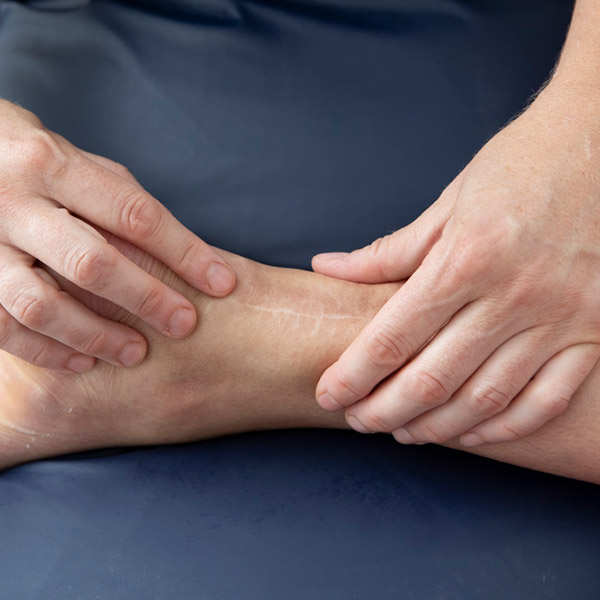
Scar tissue can feel different depending on how and when it formed. Some scars feel tight or pull when you move, while others may feel numb, sensitive, or itchy to the touch. It's typically felt at the site of the scar itself, but the tightness or restriction it causes can sometimes affect movement or comfort in the surrounding area too.
For some, scar tissue feels noticeable soon after surgery or injury, while for others, tightness or discomfort develops more gradually as the tissue heals and settles over weeks or months. Because scars can affect the skin, underlying muscle, or connective tissue differently, a proper assessment is important to understand how your particular scar is behaving and whether it's contributing to any wider discomfort.
Every scar heals differently, and the contributing factors, such as the type of surgery, how the tissue has healed, and your general movement patterns can vary from person to person, which is why support is always based on your individual assessment.
How Scar Tissue Can Affect Daily Life
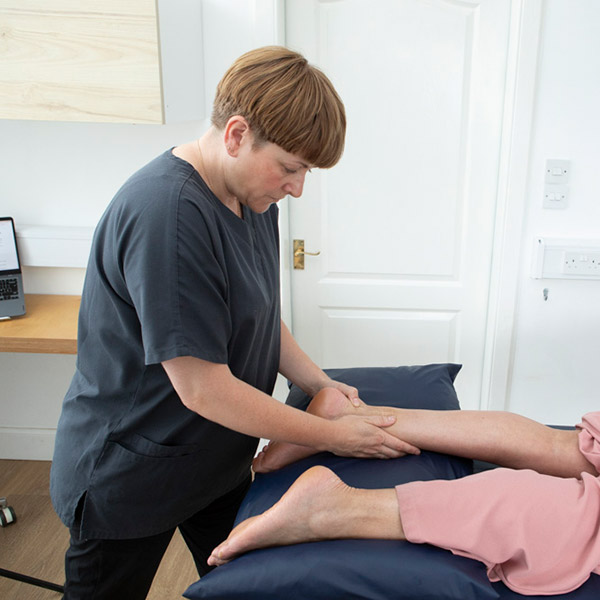
Scar tissue can affect daily life in ways that aren't always obvious at first. Tightness or restriction around a scar can make certain movements uncomfortable, whether that's bending, twisting, reaching, or simply getting comfortable in bed at night. Sitting or standing for long periods may feel different if the scar sits near an area under regular strain, and exercise or sport can sometimes feel restricted if movement pulls on the healing tissue.
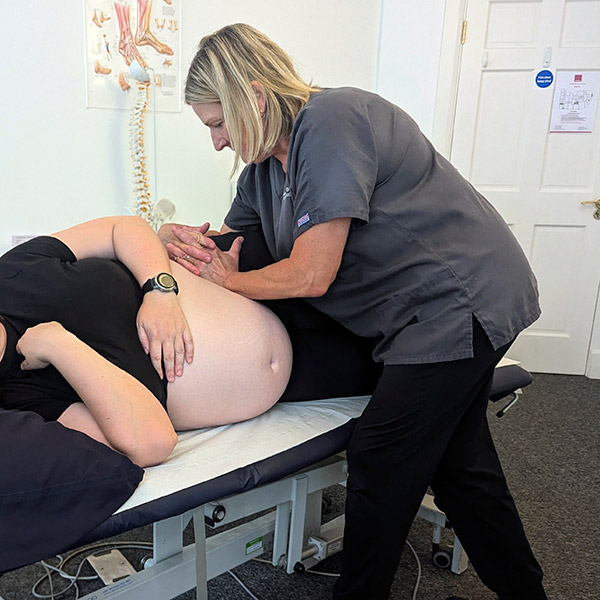
For new mothers with a caesarean scar, everyday tasks like lifting a baby, bending to change a nappy, or getting up from sitting can feel more difficult in the weeks and months after birth. Sleep may also be disrupted if certain positions place pressure on the scar.
Many people also notice a loss of confidence in movement around the scarred area, becoming more cautious or protective of it. Understanding how your scar is affecting you personally is an important part of supporting your recovery.
How AB Osteopathy Assesses Scar Tissue
Your osteopath will begin with a conversation about your symptoms and general health history, including details of the surgery, injury, or birth that led to your scar. They'll also ask about your lifestyle, work, and activity patterns, as these can affect how the surrounding tissue moves and heals.
This is followed by an assessment of movement and posture, looking at how your body works around the scarred area, alongside a specific, gentle examination of the scar itself to understand how it's healing and whether it's restricting nearby tissue or movement. Your osteopath will then explain their findings clearly, in straightforward terms, and discuss suitable treatment options with you.
If your scar shows signs that need further medical attention, such as infection or delayed healing, you'll be advised accordingly and, where appropriate, referred for further medical assessment.
Individual Care for Scar Tissue Support
Two people can have similar scars but need very different support. That's why care at AB Osteopathy is always shaped around you as an individual. Taking into account your health history, comfort level, and daily routine, as well as the demands of your work life or family responsibilities.
We understand that scars can sometimes feel sensitive, both physically and emotionally, and your comfort is always respected throughout your care. Your goals are central to your treatment plan, whether that's improving movement, reducing sensitivity, or simply feeling more confident in the area. Every step is explained clearly, with your consent sought throughout, so you feel informed and comfortable with the care you're receiving.
Treatment and Advice for Scar Tissue Support
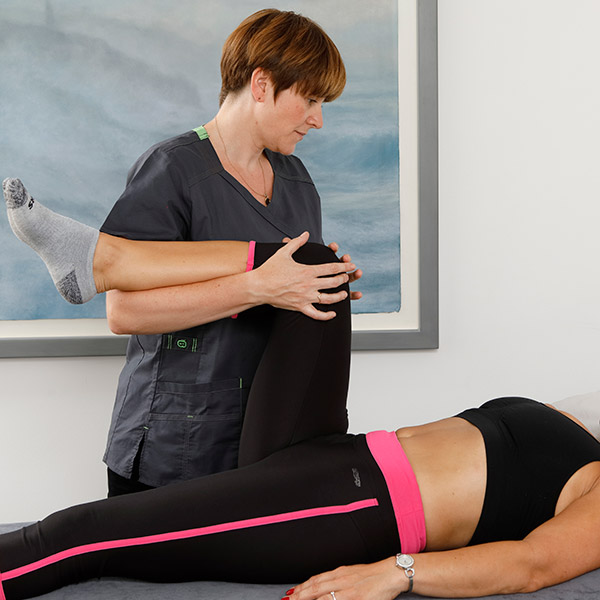
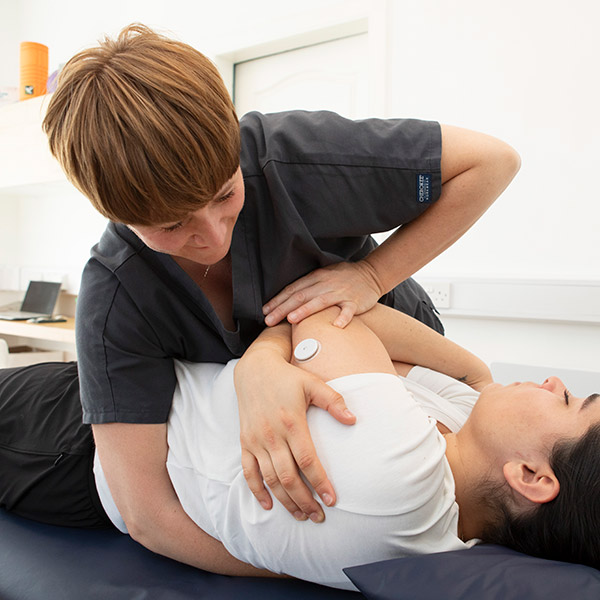
Depending on assessment, treatment may include gentle, hands-on techniques tailored to your scar and how it's healing. This may include soft tissue work around the surrounding area to help ease tension, along with gentle joint mobilisation where suitable to support nearby movement. Medical acupuncture may also be used where appropriate to support pain relief and tissue healing. Techniques used near the scar itself are always gentle, respecting your comfort throughout.
Where suitable, your osteopath may also offer stretching or movement-based treatment to help maintain flexibility in the surrounding tissue. Advice on posture, activity, or movement may be given to help you manage daily tasks comfortably, alongside exercises or aftercare where helpful to support ongoing healing.
Self-management guidance is often included, giving you practical tools to support your scar between sessions. Your osteopath will discuss all suitable options with you, ensuring your care reflects your individual assessment, comfort level, and personal goals throughout.
When Medical Advice May Be Needed First
Medical advice should be sought before booking if you notice signs of infection around your scar, such as redness, warmth, swelling, discharge, or fever, or if your scar reopens, separates, or fails to heal as expected. You should also seek medical advice if you experience severe, sudden, or worsening pain around the scar, or any new or unusual symptoms following recent surgery.
If you notice unexplained lumps, significant changes in the appearance of your scar, or symptoms that feel disproportionate to your stage of healing, further medical investigation may be needed. If you're unsure whether your symptoms are suitable for osteopathic treatment, please get in touch before booking and we can advise on the best next step.
Related Symptoms and Support
Scar tissue can affect movement around nearby areas and may be relevant during postnatal or post-surgical recovery. These pages offer related information.
Scar Tissue Support Questions
Book a Scar Tissue Support Appointment in Edinburgh
Online booking lets you choose a clinic, practitioner and appointment time that suits you. First appointments booked online require payment at the time of booking. A short enquiry can help if you're unsure whether osteopathy is suitable for your scar.
"*" indicates required fields