

TMJ and Jaw Pain Treatment in Edinburgh
Jaw pain, often related to the temporomandibular joint (TMJ), can cause discomfort around the jaw, face, or ear, and is sometimes linked to clicking, stiffness, or difficulty opening the mouth fully. It can affect everyday activities such as eating, talking, or yawning, and may also contribute to headaches or neck tension.
At AB Osteopathy in Edinburgh, every appointment is based on individual patient care. A thorough assessment is carried out first to understand the underlying cause of your symptoms, before any treatment options are discussed. This ensures the approach taken is suited to your specific needs, helping you move towards recovery with confidence.
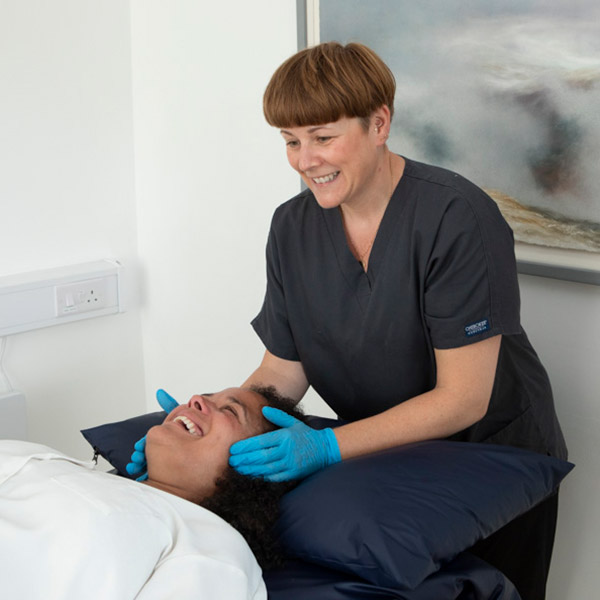
Understanding TMJ and Jaw Pain
TMJ pain can feel different depending on the cause. Some people notice a dull ache around the jaw, while others experience sharper pain, clicking, or a grinding sensation when chewing or talking. It's typically felt around the jaw joint, just in front of the ear, but can sometimes spread into the face, temple, or neck.
For some, symptoms build up gradually, often linked to teeth grinding, stress, or postural habits. For others, jaw pain can appear more suddenly, perhaps following a dental procedure, injury, or a period of unusually heavy chewing or clenching.
Because jaw pain can involve the joint, muscles, or surrounding structures, a proper assessment is important to understand what's really going on. Contributing factors such as stress levels, sleep, posture, and dental habits vary from person to person, which is why treatment is always based on your individual assessment rather than a general approach.
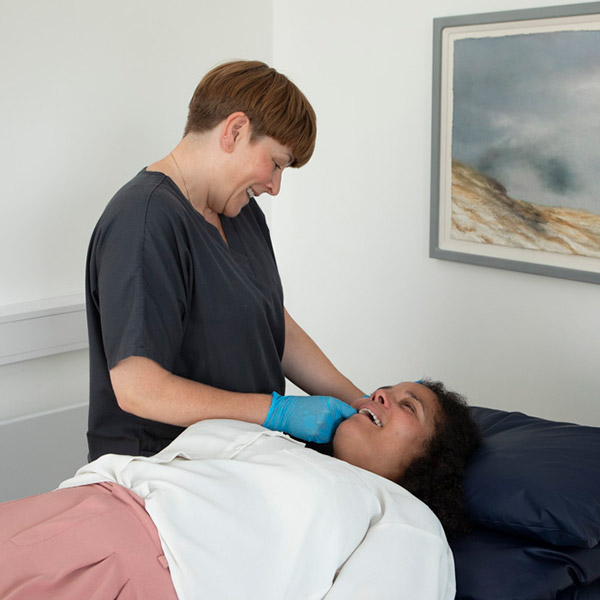
How TMJ and Jaw Pain Can Affect Daily Life
TMJ pain can make everyday activities surprisingly uncomfortable, even when symptoms seem minor at first. Eating, talking, yawning, or even brushing your teeth can become difficult, and clicking or stiffness in the jaw may make you more conscious of how you move it throughout the day.
Sleep can also be affected, particularly if teeth grinding or clenching happens overnight, sometimes leading to morning stiffness or headaches. Concentration at work or during conversations can be harder if jaw discomfort is a constant distraction, and can sometimes make symptoms worse.
Many people also find themselves avoiding certain foods, chewing on one side, or feeling less confident smiling or speaking in social situations.
Everyone experiences TMJ pain differently, and how much it affects daily life depends on the cause, how long it's been present, and individual stress and activity levels all of which help shape the right treatment plan.
How AB Osteopathy Assesses TMJ and Jaw Pain
Your osteopath will begin with a conversation about your symptoms and general health history, including any previous injuries, dental work, or relevant health conditions. They'll also ask about your lifestyle, work, and activity patterns, as stress, teeth grinding, and posture often play a role in jaw pain.
This is followed by an assessment of movement and posture, looking at how the neck, shoulders, and jaw work together, alongside a specific examination of the jaw itself to identify the structures involved. Your osteopath will then explain their findings clearly, in straightforward terms, and discuss suitable treatment options with you.
If your symptoms suggest something outside the scope of osteopathic treatment, such as a dental issue requiring specialist input, you'll be advised accordingly and, where appropriate, referred for further assessment.
Individual Care for TMJ and Jaw Pain
Two people can describe similar jaw pain but need very different support. That's why care at AB Osteopathy is always shaped around you as an individual. We take into account your health history, comfort level, and daily routine, as well as the demands of your work, sport, or family responsibilities.
Your goals are central to your treatment plan, whether that's eating comfortably, reducing stress-related tension, or simply understanding what's causing your symptoms. Every step of your care is explained clearly, with your consent sought throughout, so you understand and feel comfortable with the treatment you're receiving.
Treatment and Advice for TMJ and Jaw Pain
Depending on assessment, treatment for TMJ pain may include a combination of gentle, hands-on techniques tailored to your individual needs. This may include soft tissue work to ease tension in the jaw, face, and neck muscles, along with gentle joint mobilisation where suitable to support movement and reduce stiffness. Medical acupuncture may also be used where appropriate to support pain relief.
Where suitable, your osteopath may also offer stretching or movement-based treatment, which can be continued at home as part of your recovery. Advice on posture, stress management, or jaw habits may be given to help you manage symptoms day to day. Exercises or aftercare may be offered where helpful, supporting longer-term jaw function and comfort.
Your osteopath will discuss all suitable options with you, ensuring your treatment plan reflects your individual assessment, goals, and comfort level throughout.
When Medical Advice May Be Needed First
Medical advice should be sought before booking if your jaw pain is severe, sudden, or follows significant trauma, or if you're unable to open or close your mouth fully. You should also seek advice if you notice signs of infection, such as swelling, redness, or fever around the jaw or face.
If jaw pain is accompanied by dental issues, such as tooth pain, damaged teeth, or problems with a dental appliance, please see your dentist first. Further medical or dental investigation may be needed if symptoms persist despite self-care, or if you experience locking of the jaw, significant swelling, or numbness in the face.
If you're unsure whether your symptoms are suitable for osteopathic treatment, please get in touch before booking and we can advise on the best next step.
Related Symptoms and Support
Jaw pain can occur alongside headaches, neck tension or stress-related muscular symptoms. These pages may help you explore those connections.
TMJ and Jaw Pain Questions
Book a Jaw Pain Appointment in Edinburgh
Online booking lets you choose a clinic, practitioner and appointment time that suits you. First appointments booked online require payment at the time of booking. A short enquiry can help if you're unsure whether osteopathy is suitable for your jaw pain.
"*" indicates required fields